
How to Write for the Expanding Digital Advertising Market: Your Complete Guide to Success 🚀
Table of Contents
📋 Introduction: The Digital Advertising Revolution
🎯 Understanding Today’s Digital Advertising Landscape
✍️ Essential Writing Skills for Digital Advertising
📱 Mastering Platform-Specific Content Creation
🧠 Psychology-Driven Copywriting Techniques
📊 Measuring and Optimizing Your Ad Copy Performance
🔮 Future-Proofing Your Digital Advertising Writing Skills
💡 Conclusion: Your Path to Digital Advertising Success
❓ Frequently Asked Questions
Introduction: The Digital Advertising Revolution
Picture this: you’re scrolling through your favorite social media platform when an ad catches your eye. Within seconds, you’re clicking through to make a purchase. That’s the power of exceptional digital advertising copy – and it’s exactly why businesses are investing billions in this expanding market.

The digital advertising industry has exploded from a $59 billion market in 2015 to over $600 billion today, and it shows no signs of slowing down. With consumers spending more time online than ever before, the demand for skilled digital advertising writers has skyrocketed. Whether you’re a seasoned copywriter looking to pivot or a newcomer eager to break into this lucrative field, understanding how to write for the digital advertising market is your ticket to success.
In this comprehensive guide, we’ll explore everything you need to know about writing compelling digital advertisements that convert, engage, and drive results. From understanding different platforms to mastering the psychology of persuasion, you’ll discover the secrets that top digital advertising writers use to create campaigns worth millions.
Understanding Today’s Digital Advertising Landscape 🌐
The digital advertising ecosystem is more complex and diverse than traditional advertising ever was. Today’s writers must navigate multiple platforms, each with its unique audience, format requirements, and best practices. Let’s break down the key players in this expanding market.
Search engine advertising remains the largest segment, with Google Ads dominating the space. Here, writers craft compelling headlines and descriptions that must perform within strict character limits while incorporating relevant keywords. The challenge lies in balancing SEO requirements with persuasive copy that drives clicks and conversions.
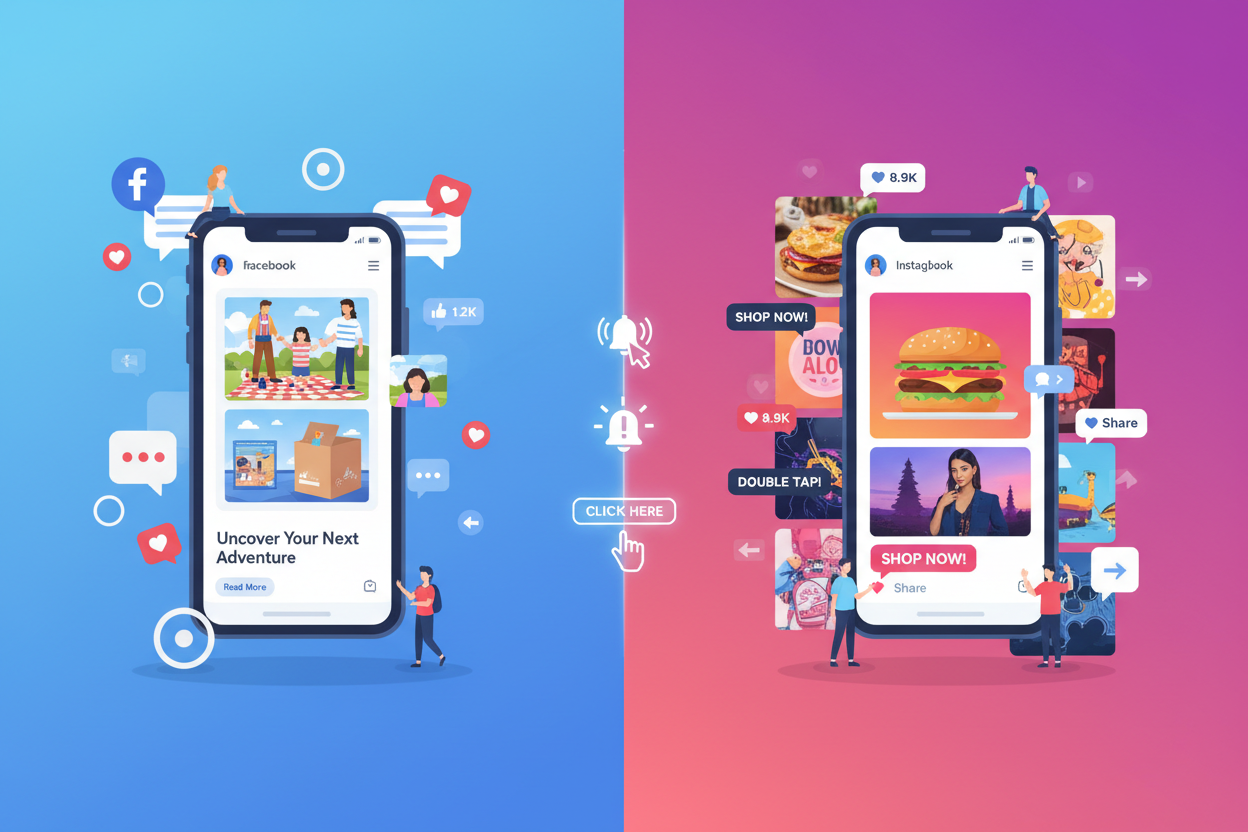
Social media advertising has emerged as a powerhouse, with platforms like Facebook, Instagram, TikTok, and LinkedIn offering sophisticated targeting options. Each platform requires a different writing approach – what works on LinkedIn’s professional environment won’t necessarily succeed on TikTok’s entertainment-focused audience.
Display advertising, including banner ads and video content, demands visual storytelling skills. Writers must create copy that works harmoniously with design elements, often working within minimal space to maximum impact. The rise of programmatic advertising has also introduced real-time bidding scenarios where copy performance directly impacts ad placement costs.
Email marketing, while not new, has evolved significantly with automation and personalization technologies. Modern email advertising writing requires understanding of segmentation, behavioral triggers, and lifecycle marketing to create messages that feel personal rather than promotional.
Essential Writing Skills for Digital Advertising ✍️
Success in digital advertising writing requires a unique blend of creative and analytical skills. Unlike traditional copywriting, digital advertising demands immediate impact – you often have mere seconds to capture attention and drive action.
Conciseness is king in digital advertising. With shrinking attention spans and limited ad space, every word must earn its place. Master the art of saying more with less by eliminating unnecessary words, using active voice, and focusing on benefits rather than features. Practice writing headlines in 30 characters, then 60, then 90 – this exercise will sharpen your ability to communicate effectively within any constraint.
Understanding your audience goes beyond basic demographics. Digital advertising allows for incredibly specific targeting, which means your copy can and should speak directly to niche audiences. Develop skills in creating buyer personas, understanding customer pain points, and speaking in your audience’s language. A successful digital advertising writer can shift from writing for tech-savvy millennials to conservative baby boomers within the same campaign.
Data interpretation skills are crucial in today’s advertising landscape. You’ll need to understand metrics like click-through rates, conversion rates, cost per acquisition, and return on ad spend. More importantly, you must know how to use this data to improve your copy. A/B testing isn’t just a nice-to-have skill – it’s essential for optimizing performance and proving your value to clients.
Adaptability and continuous learning separate good digital advertising writers from great ones. Platforms change their algorithms, new features launch regularly, and consumer behavior evolves constantly. Stay curious, experiment with new formats, and always be ready to pivot your approach based on performance data.
Mastering Platform-Specific Content Creation 📱
Each digital advertising platform has its own personality, audience expectations, and technical requirements. Mastering platform-specific writing is essential for maximizing your impact and career opportunities.
Google Ads writing focuses on intent-driven copy that matches search queries. Your headlines should directly address what users are searching for, while descriptions provide compelling reasons to choose your client over competitors. Include relevant keywords naturally, use ad extensions strategically, and always include a clear call-to-action. Remember, Google Ads users are often further down the buying funnel, so your copy should reflect their readiness to take action.
Facebook and Instagram advertising allows for more storytelling and emotional connection. These platforms excel at interruption marketing – capturing attention from users who weren’t necessarily looking for your product. Use engaging visuals as inspiration for your copy, leverage social proof, and create content that feels native to the platform. Facebook’s longer character limits allow for more detailed storytelling, while Instagram demands more visual and concise approaches.
LinkedIn advertising requires a professional tone without being boring. Focus on business outcomes, industry-specific language, and professional development angles. LinkedIn users respond well to thought leadership content and industry insights, so position your clients as experts rather than just vendors.
TikTok and emerging platforms demand a completely different approach. Authenticity trumps polish, trends matter more than traditional advertising rules, and entertainment value is paramount. Study viral content patterns, understand platform-specific language and memes, and don’t be afraid to break conventional advertising wisdom.
YouTube advertising writing varies dramatically based on format. Pre-roll ads need immediate hooks to prevent skipping, while longer-form content allows for deeper storytelling. Consider the viewing context – someone watching a tutorial has different expectations than someone watching entertainment content.
Psychology-Driven Copywriting Techniques 🧠
Understanding consumer psychology is what separates effective digital advertising copy from mere words on a screen. The best digital advertising writers are part marketer, part psychologist, using proven psychological principles to influence behavior and drive conversions.
Urgency and scarcity remain powerful motivators in digital advertising. However, modern consumers are savvy about fake urgency, so your scarcity must be genuine. Instead of generic “limited time offer” language, be specific: “Only 47 spots remaining for this month’s workshop” or “Sale ends when our current inventory of 200 units sells out.” Real urgency feels different and performs better.
Social proof has evolved beyond simple testimonials. In digital advertising, social proof might include user-generated content, influencer endorsements, or real-time social media mentions. Incorporate specific numbers when possible: “Join 47,892 satisfied customers” feels more credible than “Join thousands of customers.”
The psychology of loss aversion suggests people are more motivated to avoid losing something than to gain something equivalent. Frame your copy around what prospects might miss out on rather than just what they’ll gain. “Don’t let your competitors get ahead while you’re stuck with outdated software” often outperforms “Get ahead of your competitors with our new software.”
Cognitive ease principles suggest that information that’s easy to process feels more true and trustworthy. Use simple language, clear structure, and familiar concepts. When you must introduce complex ideas, use analogies and metaphors that relate to your audience’s existing knowledge.
Emotional triggers drive most purchasing decisions, with logic following to justify the choice. Identify the primary emotion your target audience experiences related to their problem – fear, frustration, desire, hope – and speak to that emotion first. Then provide logical reasons to support the emotional decision.
Measuring and Optimizing Your Ad Copy Performance 📊
In digital advertising, everything is measurable, and this accountability is both a blessing and a challenge for writers. Understanding how to measure, interpret, and act on performance data is crucial for long-term success in this field.
Key performance indicators vary by campaign objective, but some universal metrics apply to most digital advertising copy. Click-through rate (CTR) measures how compelling your copy is at generating initial interest. Conversion rate indicates how well your copy aligns with your landing page and offer. Cost per acquisition (CPA) shows the efficiency of your copy in driving profitable actions.
A/B testing is your most powerful tool for copy optimization. Test one element at a time – headlines, calls-to-action, value propositions, or emotional appeals. Ensure your tests run long enough to achieve statistical significance, typically requiring at least 100 conversions per variation. Document your findings to build a knowledge base of what works for different audiences and objectives.
Qualitative feedback complements quantitative data beautifully. Monitor comments on social media ads, conduct customer interviews, and analyze customer service inquiries to understand how your copy is being received. Sometimes a low-performing ad reveals important insights about customer concerns that can improve future campaigns.
Attribution modeling helps you understand the customer journey and how different touchpoints contribute to conversions. Your awareness-stage copy might not directly drive sales but could significantly influence later conversion rates. Understanding these relationships helps you optimize for the entire funnel rather than just immediate conversions.
Competitive analysis provides context for your performance metrics. Use tools like Facebook Ad Library, SEMrush, or native platform insights to study successful competitors. Analyze their copy strategies, identify gaps in their messaging, and find opportunities to differentiate your approach.
Future-Proofing Your Digital Advertising Writing Skills 🔮
The digital advertising landscape evolves rapidly, with new technologies, platforms, and consumer behaviors emerging constantly. Staying ahead of these changes ensures your writing skills remain valuable and in-demand.
Artificial intelligence is reshaping digital advertising, but it’s augmenting rather than replacing human creativity. AI tools can help with research, generate initial drafts, and optimize performance, but human insight remains crucial for strategy, emotional connection, and brand voice. Learn to work with AI tools as collaborators rather than competitors, using them to enhance your productivity and capabilities.
Privacy changes are fundamentally altering digital advertising targeting and measurement. As third-party cookies disappear and privacy regulations strengthen, advertising copy must work harder to engage audiences with less precise targeting. This shift favors writers who understand broad audience psychology and can create compelling messages that resonate across diverse segments.
Voice search and smart speakers are creating new opportunities for audio-first advertising copy. Writing for voice requires different skills than visual copy – conversational tone, natural speech patterns, and audio-friendly calls-to-action. Start experimenting with voice-optimized copy now to position yourself for this growing market.
Interactive and immersive advertising formats are expanding rapidly. Augmented reality ads, interactive video content, and gamified experiences require copy that guides user interaction and enhances the experience. These formats blend traditional copywriting with user experience design principles.
Sustainability and social responsibility are becoming crucial brand differentiators. Modern consumers, especially younger demographics, increasingly consider brand values in their purchasing decisions. Develop skills in authentic purpose-driven messaging that goes beyond superficial corporate social responsibility statements.
Conclusion: Your Path to Digital Advertising Success 💡
The digital advertising market’s expansion represents one of the most significant opportunities for writers in decades. With global digital ad spending projected to exceed $700 billion by 2025, skilled advertising writers are more valuable than ever before.
Success in this field requires more than just good writing skills – it demands a combination of creativity, analytical thinking, psychological insight, and technological adaptability. The writers who thrive are those who embrace data-driven optimization while maintaining the human touch that creates emotional connections.
Start your journey by mastering one platform thoroughly before expanding to others. Build a portfolio of successful campaigns, even if they’re personal projects or volunteer work initially. Focus on understanding your audience deeply, measuring your results religiously, and continuously learning about new platforms and techniques.
Remember that digital advertising writing is ultimately about solving problems for real people. Whether you’re helping someone discover a product they need, learn about a service that could improve their life, or connect with a brand that shares their values, your words have the power to create meaningful connections in an increasingly digital world.
The expanding digital advertising market needs writers who can navigate its complexity while maintaining the fundamental goal of all great advertising: moving people to action through the power of words. Your journey into this exciting field starts with a single campaign, a single headline, a single word that makes someone stop scrolling and start engaging. 🌟
Frequently Asked Questions ❓
Q: How much can I expect to earn as a digital advertising writer?
A: Digital advertising writers’ salaries vary widely based on experience, location, and specialization. Entry-level positions typically start around $40,000-$50,000 annually, while experienced professionals can earn $80,000-$150,000 or more. Freelancers often charge $50-$200+ per hour depending on their expertise and client base.
Q: Do I need formal education to become a digital advertising writer?
A: While a degree in marketing, communications, or English can be helpful, it’s not strictly necessary. Many successful digital advertising writers are self-taught or have completed online courses and certifications. Portfolio quality and proven results matter more than formal credentials in this field.
Q: Which digital advertising platform should I focus on first?
A: Google Ads is often recommended for beginners because it teaches fundamental direct-response copywriting skills that translate well to other platforms. However, choose the platform where your target clients are most active. If you want to work with B2B companies, LinkedIn might be better; for e-commerce, Facebook and Instagram are crucial.
Q: How long does it take to become proficient in digital advertising writing?
A: Basic proficiency can be achieved in 3-6 months with dedicated study and practice. However, mastering the nuances of different platforms, audience psychology, and optimization techniques typically takes 1-2 years of consistent work. The field evolves rapidly, so learning never really stops.
Q: What tools do I need to succeed as a digital advertising writer?
A: Essential tools include Google Analytics, platform-specific ad managers (Google Ads, Facebook Ads Manager), keyword research tools (SEMrush, Ahrefs), and A/B testing platforms. Many successful writers also use project management tools, grammar checkers, and social media monitoring tools to enhance their workflow and results.