
How to Create a Content Strategy for Online Writing Success 🚀
Ever felt like you’re throwing content into the digital void, hoping something sticks? Trust me, I’ve been there. After years of watching talented writers struggle to gain traction online, I’ve learned that success isn’t just about great writing—it’s about having a solid content strategy that guides every piece you create.
Whether you’re a freelance writer, blogger, or content creator, developing a comprehensive content strategy is your roadmap to online writing success. It’s the difference between randomly posting content and building a thriving online presence that attracts your ideal audience and achieves your goals.

Table of Contents 📋
• Understanding Content Strategy Fundamentals
• Defining Your Writing Goals and Objectives
• Identifying and Understanding Your Target Audience
• Conducting Competitive Analysis and Market Research
• Choosing the Right Content Types and Formats
• Creating an Editorial Calendar That Works
• Optimizing Content for Search Engines
• Building Your Content Distribution Strategy
• Measuring Success and Adjusting Your Approach
• Common Content Strategy Mistakes to Avoid
• Frequently Asked Questions
Understanding Content Strategy Fundamentals 🎯
A content strategy isn’t just a fancy term for “planning what to write next week.” It’s a comprehensive approach that aligns your writing efforts with your business objectives, audience needs, and market opportunities. Think of it as your content’s DNA—everything you create should stem from this strategic foundation.
The most successful online writers understand that content strategy encompasses four key elements: purpose, audience, content types, and distribution channels. Without these pillars, you’re essentially writing in the dark, hoping to stumble upon success rather than strategically building toward it.
Your content strategy should answer fundamental questions like: Why are you creating content? Who are you creating it for? What problems are you solving? How will people discover your content? When you can confidently answer these questions, you’re already ahead of 80% of content creators online.
Defining Your Writing Goals and Objectives 🎪
Before diving into content creation, you need crystal-clear goals. Are you looking to establish thought leadership in your industry? Drive traffic to your website? Generate leads for your business? Build a personal brand? Your goals will shape every aspect of your content strategy.
I recommend using the SMART framework for goal setting: Specific, Measurable, Achievable, Relevant, and Time-bound. Instead of saying “I want more readers,” try “I want to increase my blog’s monthly unique visitors from 5,000 to 10,000 within six months through consistent, SEO-optimized content publishing.”
Consider both short-term and long-term objectives. Short-term goals might include publishing twice weekly or increasing social media engagement by 25%. Long-term goals could involve becoming a recognized expert in your niche or launching a successful online course based on your content expertise.
Identifying and Understanding Your Target Audience 👥
Here’s a truth bomb: you can’t write for everyone, and you shouldn’t try to. The most successful content creators have laser-focused audience understanding. They know their readers’ pain points, aspirations, preferred content formats, and even the language they use to describe their challenges.
Start by creating detailed reader personas. Go beyond basic demographics and dive into psychographics. What keeps your ideal reader awake at 2 AM? What solutions are they desperately seeking? What type of content do they consume, and where do they hang out online?
Use tools like Google Analytics, social media insights, and direct surveys to gather audience data. But don’t forget the power of one-on-one conversations. Some of my best content ideas have come from casual chats with readers who shared their struggles and questions.
Conducting Competitive Analysis and Market Research 🔍
Competitive analysis isn’t about copying what others are doing—it’s about identifying opportunities and understanding the content landscape in your niche. Look at successful writers and content creators in your space. What topics are they covering? What gaps exist in their content?
Analyze their most popular content using tools like BuzzSumo or SEMrush. Pay attention to content formats that perform well, posting frequencies, and engagement patterns. This research will help you identify content opportunities and differentiation strategies.
Don’t limit yourself to direct competitors. Look at adjacent industries and different content formats. A B2B software writer might find inspiration from personal finance bloggers’ storytelling techniques or productivity YouTubers’ educational approaches.
Choosing the Right Content Types and Formats 📝
Not all content is created equal, and different formats serve different purposes in your strategy. Blog posts are fantastic for SEO and thought leadership, but video content might better serve tutorial-style information. Podcasts excel at building personal connections, while infographics can simplify complex data.
Consider your audience’s preferences and consumption habits. Are they busy professionals who prefer quick, actionable tips? Long-form, in-depth guides might work better for researchers and academics. Mobile-first audiences might gravitate toward bite-sized social media content.
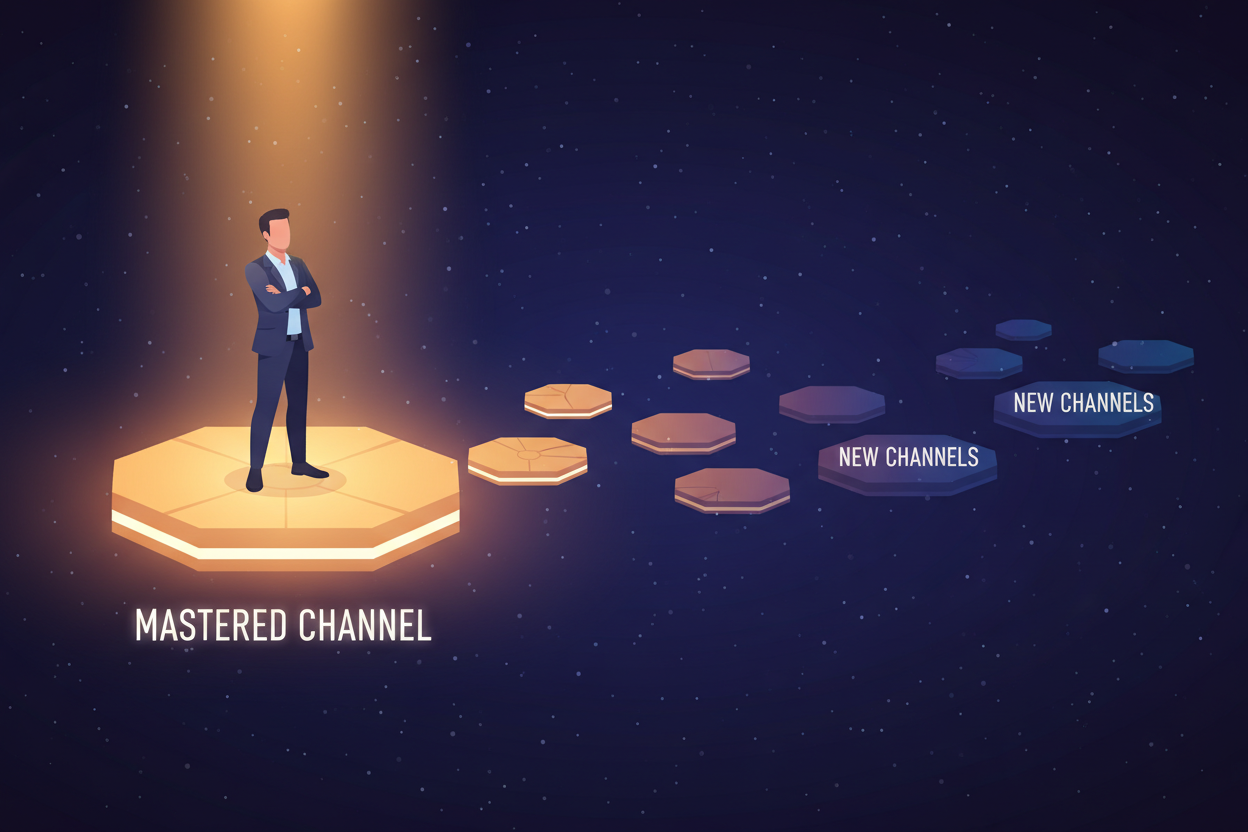
Start with 2-3 content types and master them before expanding. It’s better to excel at blog writing and email newsletters than to spread yourself thin across ten different formats. Quality always trumps quantity in content strategy.
Creating an Editorial Calendar That Works 📅
An editorial calendar is your content strategy’s operational backbone. It ensures consistent publishing, helps you plan around important dates and events, and prevents the dreaded “what should I write about today?” panic.
Your calendar should include more than just publication dates. Plan content themes, keywords, distribution channels, and promotional activities. I recommend planning at least one month ahead, with a rough outline extending three months out.
Build flexibility into your calendar. Breaking news, trending topics, and spontaneous inspiration should have room in your strategy. Some of the most engaging content comes from timely, relevant responses to current events in your industry.
Optimizing Content for Search Engines 🔎
SEO isn’t about stuffing keywords into your content—it’s about creating valuable, discoverable content that answers your audience’s questions. Start with keyword research using tools like Google Keyword Planner, Ahrefs, or even Google’s autocomplete feature.
Focus on search intent rather than just search volume. A keyword with 1,000 monthly searches from people ready to buy might be more valuable than one with 10,000 searches from casual browsers. Long-tail keywords often convert better and face less competition.
Remember that SEO is a long-term game. Don’t expect immediate results, but do expect compound growth over time. Consistent, high-quality content optimized for search will build your organic traffic foundation.
Building Your Content Distribution Strategy 📢
Creating great content is only half the battle—getting it in front of your audience is equally important. Your distribution strategy should leverage multiple channels to maximize reach and engagement.
Owned channels (your website, email list) give you complete control but require time to build. Earned channels (guest posting, media mentions) provide credibility and expanded reach. Paid channels (social media ads, sponsored content) offer immediate visibility but require budget investment.
Repurpose content across different platforms. A comprehensive blog post can become a podcast episode, several social media posts, an email newsletter, and even a video script. This approach maximizes your content investment while reaching different audience segments.
Measuring Success and Adjusting Your Approach 📊
What gets measured gets managed. Establish key performance indicators (KPIs) that align with your goals. Traffic metrics are important, but don’t ignore engagement rates, time on page, social shares, and conversion metrics.
Use tools like Google Analytics, social media insights, and email marketing analytics to track performance. Set up regular review periods—monthly for tactical adjustments, quarterly for strategic pivots.
Don’t be afraid to pivot when data shows your strategy isn’t working. Some of my biggest breakthroughs came from abandoning content approaches that looked good on paper but didn’t resonate with my actual audience.
Common Content Strategy Mistakes to Avoid ⚠️
Learn from others’ mistakes to accelerate your success. The biggest error I see is inconsistency—sporadic posting kills momentum and audience trust. Set a publishing schedule you can realistically maintain, even if it means posting less frequently.
Another common mistake is creating content in a vacuum. Always tie your content back to audience needs and business objectives. If you can’t explain how a piece of content serves your strategy, it probably doesn’t belong in your editorial calendar.
Finally, don’t neglect promotion. Many writers spend 80% of their time creating and 20% promoting, when it should be closer to 50/50. Great content that nobody sees won’t drive results.
Conclusion: Your Content Strategy Journey Starts Now 🌟
Creating a successful content strategy isn’t a one-time task—it’s an ongoing process of planning, executing, measuring, and refining. The writers who succeed online aren’t necessarily the most talented; they’re the most strategic and consistent.
Start with the fundamentals: clear goals, deep audience understanding, and consistent execution. Build your strategy gradually, focusing on quality over quantity. Remember that content strategy is a marathon, not a sprint, but the compound effects of strategic content creation will pay dividends for years to come.
Your unique voice and perspective are your greatest assets in the crowded online content landscape. Combine them with a solid strategy, and you’ll have everything you need for online writing success.
Frequently Asked Questions ❓
How long does it take to see results from a content strategy?
Most content strategies show initial results within 3-6 months, with significant momentum building after 6-12 months of consistent execution. SEO results typically take longer, while social media engagement can improve more quickly.
How often should I publish new content?
Quality trumps quantity every time. It’s better to publish one high-quality piece weekly than daily mediocre content. Choose a frequency you can maintain consistently—whether that’s daily, weekly, or bi-weekly.
Do I need expensive tools to create a content strategy?
No! You can start with free tools like Google Analytics, Google Keyword Planner, and social media insights. As you grow, paid tools can provide additional capabilities, but they’re not necessary for getting started.
How do I know if my content strategy is working?
Track metrics aligned with your goals: traffic growth, engagement rates, email subscribers, social media followers, and ultimately, conversions or business results. Regular analysis helps you identify what’s working and what needs adjustment.
Should I focus on one platform or diversify across multiple channels?
Start with one primary platform where your audience is most active, then gradually expand. It’s better to excel on one platform than to spread yourself thin across many. Master one channel before adding others to your strategy.