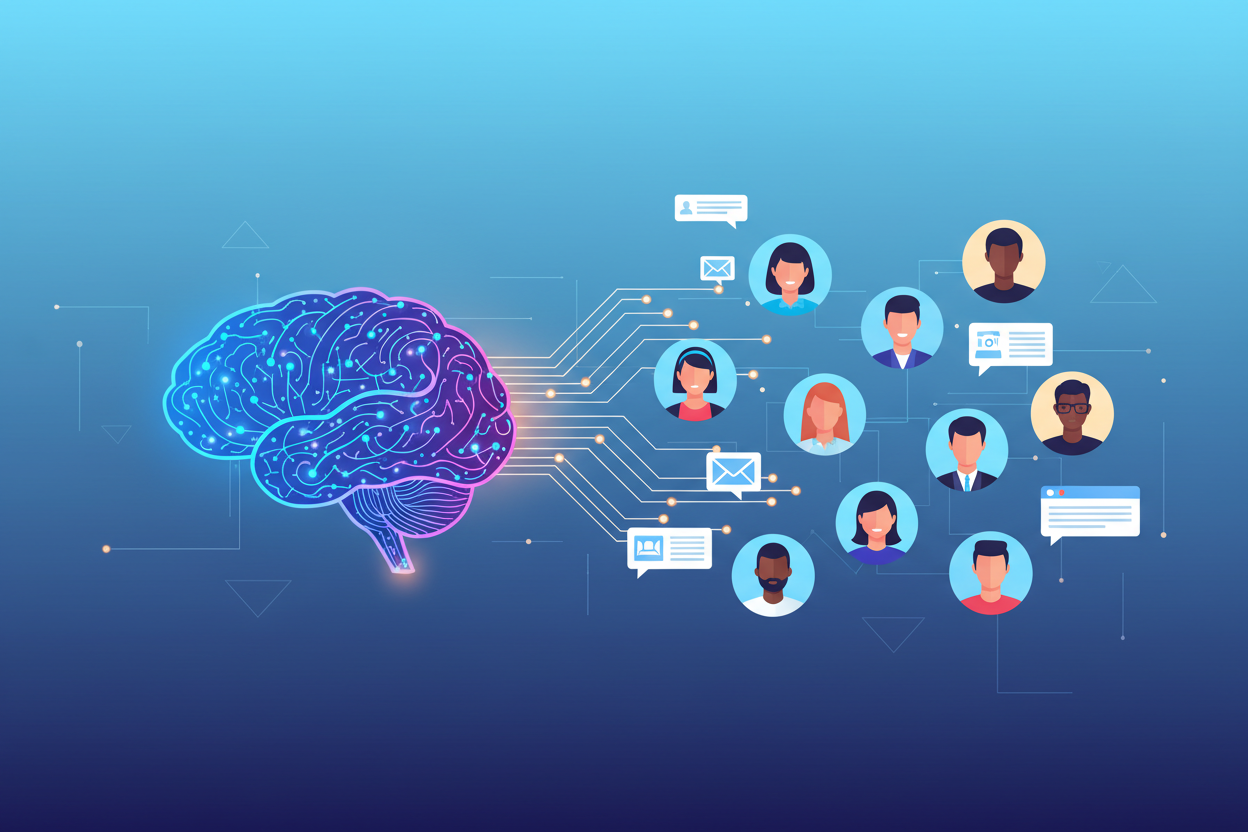
How to Use AI to Personalize Writing for Online Audiences: The Complete Guide
Table of Contents
✨ Introduction: The Power of AI-Driven Personalization
🎯 Understanding Your Audience Through AI Analytics
🤖 AI Tools for Content Personalization
📝 Crafting Personalized Content Strategies
🔍 Data-Driven Writing Techniques
💡 Real-World Applications and Success Stories
⚠️ Common Pitfalls to Avoid
🚀 Future Trends in AI Personalization
❓ Frequently Asked Questions
🎯 Conclusion: Your Next Steps
Introduction: The Power of AI-Driven Personalization ✨
Remember the last time you received a generic marketing email that felt like it was written for everyone and no one at the same time? Chances are, you deleted it without a second thought. In today’s digital landscape, where attention spans are shorter than ever and competition for eyeballs is fierce, personalized content isn’t just nice to have—it’s absolutely essential.
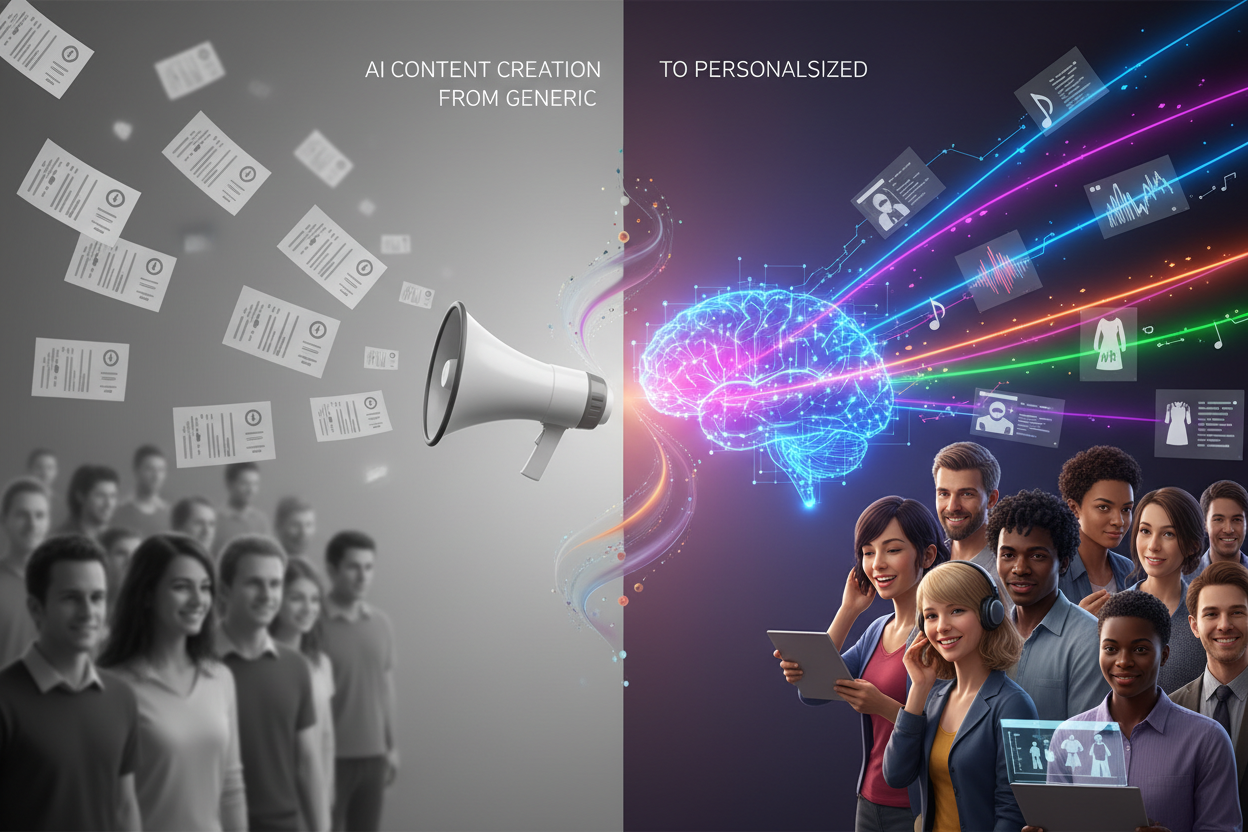
Artificial intelligence has revolutionized how we approach content creation, offering unprecedented opportunities to tailor our writing to specific audience segments, individual preferences, and behavioral patterns. Gone are the days when “one size fits all” content could cut through the noise. Today’s successful content creators leverage AI to craft messages that resonate deeply with their target audiences, driving engagement rates through the roof and building genuine connections.
This comprehensive guide will walk you through the practical steps of using AI to personalize your writing for online audiences. Whether you’re a blogger, marketer, or business owner, you’ll discover actionable strategies that can transform your content from generic to genuinely compelling. Let’s dive into the world of AI-powered personalization and unlock the potential of truly targeted communication.
Understanding Your Audience Through AI Analytics 🎯
Before you can personalize your writing, you need to understand who you’re writing for. This is where AI analytics tools become your secret weapon. These sophisticated platforms can analyze vast amounts of data about your audience’s behavior, preferences, and engagement patterns in ways that would be impossible to do manually.

AI-powered analytics tools like Google Analytics 4, HubSpot, and Adobe Analytics can reveal fascinating insights about your readers. They track not just what content people consume, but how they consume it. Do your readers prefer shorter paragraphs? Are they more likely to engage with content that includes personal anecdotes? Do certain topics generate more social shares?
The beauty of AI analytics lies in pattern recognition. While you might notice that your Tuesday posts perform better than your Monday ones, AI can identify subtle correlations between posting time, content length, emotional tone, and engagement rates. It can even predict which topics are likely to resonate with different segments of your audience based on historical data.
To get started, focus on collecting data about your audience’s demographics, psychographics, and behavioral patterns. Look for trends in content consumption, preferred communication styles, and engagement triggers. This data becomes the foundation for all your personalization efforts.
AI Tools for Content Personalization 🤖
The AI toolbox for content personalization has exploded in recent years, offering solutions for every aspect of the writing process. Let’s explore the most effective tools that can help you create personalized content at scale.
Natural Language Processing (NLP) tools like GPT-4, Claude, and Jasper can analyze your existing content and suggest personalized variations for different audience segments. These tools can adjust tone, complexity, and even cultural references to match your target demographic. For instance, content aimed at Gen Z might include more casual language and current slang, while B2B content for executives would maintain a more formal, professional tone.
Dynamic content platforms such as Optimizely and Dynamic Yield allow you to create multiple versions of the same piece of content, automatically serving the most relevant version to each visitor based on their profile and behavior. This means a single blog post could have different introductions, examples, and calls-to-action depending on who’s reading it.
Sentiment analysis tools can help you understand the emotional response your content generates. Tools like MonkeyLearn and Lexalytics can analyze comments, social media mentions, and engagement metrics to determine how different segments of your audience react to various writing styles and topics.
Email personalization platforms like Mailchimp and ConvertKit use AI to optimize send times, subject lines, and content recommendations based on individual subscriber behavior. These tools can even predict which subscribers are most likely to engage with specific types of content.
Crafting Personalized Content Strategies 📝
Creating a successful personalized content strategy requires more than just good tools—it demands a systematic approach that puts your audience’s needs at the center of everything you do. The key is to develop a framework that allows for both scalability and genuine personalization.
Start by creating detailed buyer personas that go beyond basic demographics. Use AI insights to understand not just who your readers are, but how they think, what challenges they face, and what motivates them to take action. These personas should include preferred communication styles, content formats, and even the emotional triggers that drive engagement.
Develop content templates that can be easily customized for different audience segments. For example, a how-to article might follow the same basic structure, but the examples, language complexity, and depth of explanation can vary significantly based on the reader’s expertise level and industry background.
Implement a content scoring system that rates how well each piece of content aligns with different persona preferences. This helps ensure that your personalization efforts are systematic rather than random. AI can help automate this scoring process by analyzing factors like readability, emotional tone, and topic relevance.
Create content workflows that incorporate personalization checkpoints. Before publishing any content, ask: “Have I considered how this will resonate with each of my key audience segments?” and “What adjustments could make this more relevant to specific reader groups?”
Data-Driven Writing Techniques 🔍
The most effective personalized writing combines human creativity with data-driven insights. Here are proven techniques for incorporating AI-generated data into your writing process to create content that truly connects with your audience.
Use predictive analytics to identify trending topics within your niche before they become mainstream. Tools like BuzzSumo and Ahrefs can analyze social media conversations, search trends, and competitor content to predict what your audience will be interested in next week or next month. This allows you to create timely, relevant content that positions you as a thought leader.
Implement A/B testing for different writing styles and approaches. AI can help you test not just headlines and calls-to-action, but entire writing approaches. Try varying your sentence length, use of metaphors, level of technical detail, or inclusion of personal stories to see what resonates best with different audience segments.
Leverage behavioral data to inform your content structure. If analytics show that mobile users typically abandon articles after the third paragraph, you might restructure your content with more subheadings, bullet points, and shorter paragraphs for mobile-optimized versions.
Use natural language generation tools to create personalized introductions or conclusions that reference the reader’s industry, location, or previous interactions with your content. This creates an immediate sense of relevance and connection.
Real-World Applications and Success Stories 💡
Let’s look at how successful brands and content creators are using AI personalization to achieve remarkable results. These real-world examples demonstrate the practical impact of implementing AI-driven personalization strategies.
Netflix has become the gold standard for content personalization, using AI to not only recommend shows but to create personalized artwork and descriptions for the same content. Their algorithm analyzes viewing history, time spent browsing, and even the time of day someone typically watches to craft personalized experiences that keep users engaged.
The New York Times uses AI to personalize their newsletter content, analyzing subscriber behavior to determine which stories to feature for different reader segments. This approach has led to significantly higher open rates and click-through rates compared to their generic newsletters.
E-commerce giant Amazon leverages AI for personalized product descriptions and reviews highlighting. The same product might emphasize different features or benefits depending on the customer’s browsing history and previous purchases, making each product page feel uniquely relevant to the individual shopper.
Small business success stories are equally compelling. A fitness blogger increased her email engagement by 300% by using AI to segment her audience based on fitness goals and experience levels, then personalizing her content accordingly. Beginners received more foundational content with encouraging language, while advanced fitness enthusiasts got technical training tips and challenging workout plans.
Common Pitfalls to Avoid ⚠️
While AI personalization offers tremendous opportunities, there are several common mistakes that can undermine your efforts or even damage your relationship with your audience. Learning to avoid these pitfalls is crucial for long-term success.
Over-personalization is a real concern. When personalization becomes too obvious or invasive, it can make readers uncomfortable. There’s a fine line between helpful relevance and creepy surveillance. Always ensure that your personalization efforts feel natural and valuable rather than intrusive.
Don’t rely too heavily on AI without human oversight. While AI is excellent at identifying patterns and generating content variations, it lacks the nuanced understanding of context, cultural sensitivity, and brand voice that humans provide. Always review AI-generated content for accuracy, appropriateness, and alignment with your brand values.
Avoid creating content silos that are so personalized they become echo chambers. While it’s important to tailor content to specific audiences, you don’t want to completely isolate different segments from each other. Sometimes, diverse perspectives and cross-pollination of ideas can be valuable for all your readers.
Be careful not to make assumptions based on limited data. AI algorithms can perpetuate biases present in training data, leading to stereotypical or inaccurate personalizations. Regularly audit your personalization efforts to ensure they’re based on genuine preferences rather than problematic assumptions.
Future Trends in AI Personalization 🚀
The future of AI-powered content personalization is incredibly exciting, with emerging technologies promising even more sophisticated and effective ways to connect with audiences. Understanding these trends can help you prepare for what’s coming next.
Voice and conversational AI are becoming increasingly important as more people interact with content through smart speakers and voice assistants. This means content creators will need to consider how their writing translates to spoken formats and how to optimize for voice search queries.
Real-time personalization is evolving beyond simple demographic targeting to include contextual factors like weather, current events, and even the reader’s emotional state (inferred from their browsing behavior and interaction patterns). This level of dynamic personalization will create unprecedented opportunities for relevance and engagement.
Cross-platform personalization is becoming more sophisticated, allowing for seamless experiences across email, social media, websites, and mobile apps. AI will increasingly be able to maintain consistent personalization across all touchpoints while adapting to the unique characteristics of each platform.
Predictive content creation will enable AI to not just personalize existing content, but to generate entirely new pieces based on individual user preferences and predicted interests. This could revolutionize content marketing by making truly one-to-one communication scalable.
Frequently Asked Questions ❓
How much data do I need to start personalizing content with AI?
You can begin implementing basic AI personalization with as little as a few hundred engaged users. Start with simple segmentation based on behavior patterns, and gradually refine your approach as you collect more data.
Is AI personalization expensive for small businesses?
Many AI personalization tools offer affordable plans for small businesses. Free tools like Google Analytics and basic email marketing platforms with AI features can provide significant value without breaking the budget.
How do I measure the success of my AI personalization efforts?
Focus on engagement metrics like time on page, click-through rates, conversion rates, and social shares. Compare these metrics between personalized and non-personalized content to measure improvement.
Can AI personalization work for B2B content?
Absolutely! B2B audiences often have even more specific needs and preferences, making personalization particularly valuable. Focus on industry-specific challenges, role-based content, and company size considerations.
How often should I update my personalization strategy?
Review your personalization strategy quarterly, but monitor performance metrics monthly. Audience preferences and behaviors can change quickly, especially in fast-moving industries.
Conclusion: Your Next Steps 🎯
AI-powered personalization represents one of the most significant opportunities for content creators to build deeper connections with their audiences and achieve better results from their efforts. The technology has matured to the point where sophisticated personalization is accessible to creators of all sizes, not just large corporations with massive budgets.
The key to success lies in starting small and building systematically. Begin by implementing basic audience segmentation and A/B testing, then gradually incorporate more advanced AI tools as you learn what works best for your specific audience and goals. Remember that personalization is not about replacing human creativity and insight—it’s about amplifying them with data-driven intelligence.
As you embark on your AI personalization journey, keep your audience’s needs and preferences at the center of every decision. The most successful personalization efforts feel natural and valuable to readers, enhancing their experience rather than manipulating it. Focus on building genuine connections and providing real value, and the engagement and conversions will follow naturally.
The future of content creation belongs to those who can effectively combine human creativity with AI-powered insights to create truly personalized experiences. By implementing the strategies and techniques outlined in this guide, you’ll be well-positioned to thrive in this new era of intelligent, personalized communication. Start small, test frequently, and always prioritize your audience’s experience above all else.