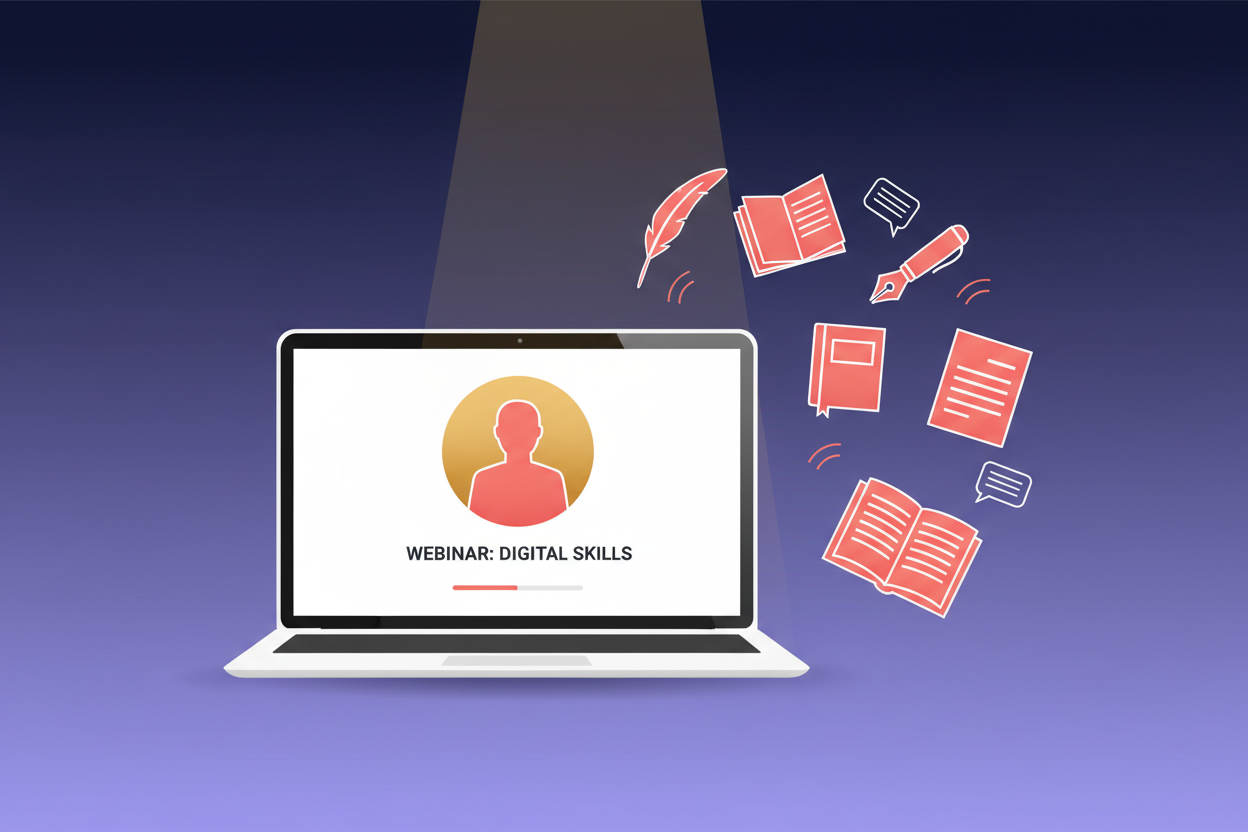
How to Use Webinars to Showcase Your Writing Skills: A Complete Guide for Writers 📝
In today’s digital landscape, writers face more competition than ever before. Whether you’re a freelance copywriter, novelist, blogger, or content creator, standing out from the crowd requires more than just exceptional writing skills—it demands strategic self-promotion. One powerful yet underutilized tool for showcasing your writing expertise is hosting webinars.
Webinars offer writers a unique opportunity to demonstrate their knowledge, connect with potential clients, and build a loyal audience. Unlike static blog posts or social media updates, webinars allow you to showcase your personality, expertise, and communication skills in real-time. They’re essentially your writing portfolio come to life, complete with interactive elements that can transform casual viewers into devoted fans or paying clients.
If you’ve been wondering how to leverage webinars to elevate your writing career, you’re in the right place. This comprehensive guide will walk you through everything you need to know about using webinars as a powerful showcase for your writing talents.
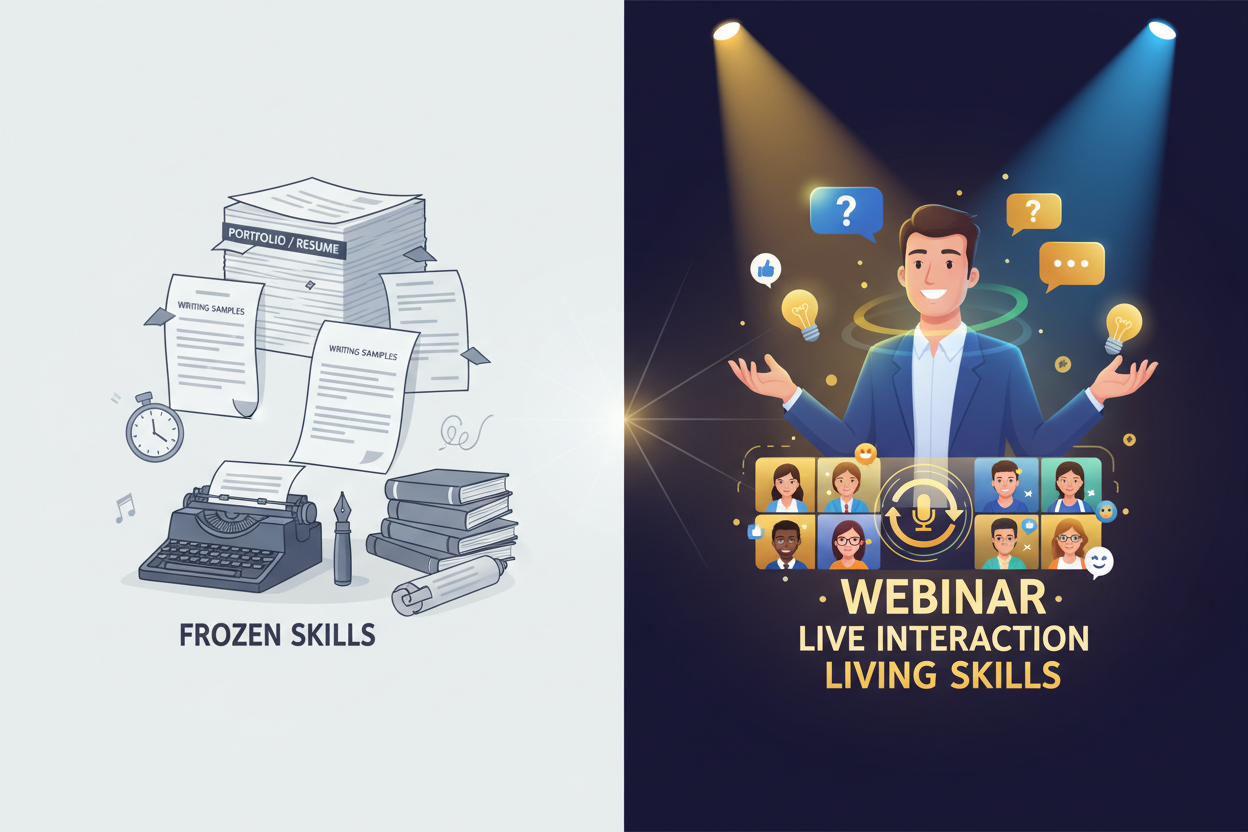
Table of Contents
• Why Webinars Are Perfect for Writers
• Planning Your Writing-Focused Webinar
• Choosing the Right Webinar Topics
• Technical Setup and Platform Selection
• Creating Compelling Webinar Content
• Promoting Your Webinar Effectively
• Delivering an Engaging Presentation
• Following Up and Converting Attendees
• Common Mistakes to Avoid
• Measuring Success and Continuous Improvement
Why Webinars Are Perfect for Writers 🎯
Writers often struggle with the “show, don’t tell” principle when it comes to marketing themselves. You can claim to be an expert storyteller or persuasive copywriter, but webinars allow you to prove it. During a live presentation, you’re essentially performing your craft in real-time—crafting narratives, explaining complex concepts clearly, and engaging your audience through the power of words.
Webinars also solve a common problem many writers face: the challenge of demonstrating soft skills. While your portfolio might showcase your writing samples, it doesn’t reveal your ability to think on your feet, handle questions gracefully, or adapt your communication style to different audiences. These are precisely the skills that many clients value most, especially in today’s collaborative work environment.

Furthermore, webinars position you as a thought leader in your niche. Instead of just being another writer competing on price, you become the expert who educates others. This shift in positioning can dramatically impact your earning potential and the quality of clients you attract.
Planning Your Writing-Focused Webinar 📋
Success in webinar hosting starts long before you go live. The planning phase is crucial for creating a presentation that truly showcases your writing abilities while providing genuine value to your audience.
Begin by defining your primary objective. Are you looking to attract new freelance clients? Build an audience for your upcoming book? Establish yourself as an expert in a particular writing niche? Your goal will influence every other decision, from topic selection to promotional strategy.
Consider your target audience carefully. A webinar aimed at fellow writers will have a completely different tone and content than one designed for business owners seeking copywriting services. Understanding your audience’s pain points, experience level, and expectations will help you craft content that resonates and demonstrates your ability to write for specific demographics.
Set realistic expectations for your first webinar. While it’s tempting to aim for hundreds of attendees, focusing on quality over quantity often yields better results. A smaller, engaged audience is far more valuable than a large group of disinterested viewers who joined out of curiosity.
Choosing the Right Webinar Topics 💡
Your topic choice is perhaps the most critical factor in attracting the right audience and showcasing your expertise effectively. The best webinar topics for writers typically fall into several categories, each offering unique opportunities to demonstrate different aspects of your writing skills.
Educational topics work exceptionally well because they allow you to demonstrate your teaching ability—a skill highly valued by many clients. Consider topics like “The Psychology Behind Persuasive Copy” or “Storytelling Techniques That Hook Readers from Page One.” These subjects let you showcase both your writing knowledge and your ability to break down complex concepts into digestible information.
Behind-the-scenes content offers another compelling angle. Topics such as “My Writing Process: From Blank Page to Published Piece” or “How I Research and Write Industry-Specific Content” provide valuable insights while demonstrating your professional approach and attention to detail.
Problem-solving webinars can be particularly effective for attracting potential clients. Topics like “5 Common Content Marketing Mistakes That Kill Conversions” or “How to Write Emails That Actually Get Responses” position you as someone who understands business challenges and can provide practical solutions through writing.
Technical Setup and Platform Selection 🖥️
While content is king, poor technical execution can undermine even the most brilliant presentation. Choosing the right platform and ensuring smooth technical delivery is essential for maintaining your professional credibility.
Popular webinar platforms like Zoom, GoToWebinar, and WebEx each offer different features and pricing structures. For writers just starting with webinars, Zoom often provides the best balance of functionality and affordability. It offers screen sharing, recording capabilities, and interactive features like polls and chat functions that can enhance audience engagement.
Invest in decent audio equipment—your voice is your primary tool during a webinar, and poor audio quality can be incredibly distracting. A good USB microphone can make a significant difference in how professional you sound. Similarly, ensure you have a stable internet connection and a backup plan in case of technical difficulties.
Test your setup thoroughly before going live. Practice your presentation multiple times, familiarize yourself with the platform’s features, and have a technical rehearsal with a friend or colleague who can provide feedback on audio and video quality.
Creating Compelling Webinar Content 📚
Your webinar content should feel like a masterclass in both your subject matter expertise and your communication skills. Structure your presentation with a clear beginning, middle, and end, just as you would any piece of compelling writing.
Start with a strong hook that immediately demonstrates your storytelling ability. Instead of beginning with a dry introduction, consider opening with a relevant anecdote, surprising statistic, or thought-provoking question. This approach immediately showcases your ability to capture and maintain audience attention—a crucial skill for any writer.
Organize your main content into clear, logical sections. Use transitions that feel natural and help maintain flow throughout the presentation. This structure demonstrates your ability to organize complex information coherently, a skill that translates directly to client work.
Include interactive elements that showcase your ability to engage with your audience. Ask questions, conduct polls, or invite participants to share their experiences in the chat. Your responses to these interactions demonstrate your ability to think quickly, adapt your communication style, and maintain professionalism under pressure.
Incorporate specific examples and case studies from your own work (with client permission, of course). This not only provides credibility but also gives attendees concrete examples of your writing in action. Explain your thought process behind certain writing decisions to give insight into your professional approach.
Promoting Your Webinar Effectively 📢
Even the most brilliant webinar won’t showcase your skills if no one attends. Effective promotion requires the same strategic thinking and compelling copy that you’d use in any professional writing project.
Craft your webinar title and description with the same care you’d give to a headline or email subject line. The title should clearly communicate the value attendees will receive while incorporating relevant keywords for SEO purposes. Your description should build excitement and clearly outline what participants will learn.
Leverage your existing network and platforms. Share the webinar on your social media channels, include it in your email newsletter, and mention it in relevant online communities where your target audience gathers. Each promotional piece you write is an opportunity to demonstrate your copywriting skills in action.
Create a landing page for your webinar that showcases your ability to write compelling, conversion-focused copy. Include testimonials if you have them, outline the key takeaways, and use persuasive language that encourages sign-ups.
Consider partnering with other professionals in complementary fields. For example, if you’re a copywriter, you might partner with a graphic designer or marketing consultant. Cross-promotion expands your reach while demonstrating your ability to collaborate professionally.
Delivering an Engaging Presentation 🎤
The live delivery of your webinar is where all your preparation pays off. This is your moment to showcase not just your writing knowledge, but your communication skills, professionalism, and ability to connect with an audience.
Speak conversationally, as if you’re having a one-on-one conversation with each attendee. This approach demonstrates your ability to write in a natural, engaging voice—something many clients struggle to find in writers. Avoid reading directly from a script, but do have key points and transitions outlined to keep you on track.
Use storytelling techniques throughout your presentation. Instead of simply listing tips or strategies, weave them into narratives that illustrate their effectiveness. This approach showcases your storytelling abilities while making your content more memorable and engaging.
Handle questions and comments gracefully. Your responses to audience interactions demonstrate your ability to think clearly under pressure, communicate complex ideas simply, and maintain professionalism in all circumstances. These soft skills are often what set exceptional writers apart from the competition.
Manage your time effectively. Starting and ending on schedule shows respect for your audience’s time and demonstrates your ability to work within constraints—a crucial skill for meeting client deadlines.
Following Up and Converting Attendees 🔄
Your webinar’s impact doesn’t end when you stop the recording. The follow-up phase is crucial for converting interested attendees into clients, subscribers, or advocates for your work.
Send a thoughtful follow-up email within 24 hours of your webinar. This email is another opportunity to demonstrate your writing skills through compelling subject lines, personalized content, and clear calls-to-action. Include the webinar recording, any promised resources, and a clear next step for those interested in working with you.
Create additional content that extends the webinar’s value. This might include a detailed blog post expanding on key points, a downloadable resource that complements your presentation, or a series of social media posts that highlight key takeaways. Each piece of content serves as both a value-add for attendees and a sample of your writing abilities.
Reach out personally to highly engaged attendees. Those who asked thoughtful questions or made insightful comments in the chat may be excellent prospects for your services. A personalized follow-up message demonstrates your attention to detail and client service skills.
Common Mistakes to Avoid ❌
Even experienced writers can stumble when transitioning to webinar hosting. Being aware of common pitfalls can help you avoid them and maintain your professional reputation.
Don’t make your webinar too sales-focused. While the ultimate goal may be to attract clients, your primary focus should be providing genuine value. Attendees can sense when content is merely a thinly veiled sales pitch, and this approach often backfires by damaging your credibility.
Avoid technical overconfidence. Even if you’re comfortable with technology, always have a backup plan. Technical difficulties can derail even the best-planned webinar and leave attendees with a negative impression of your professionalism.
Don’t neglect the importance of practice. Your writing skills won’t automatically translate to speaking skills. Rehearse your presentation multiple times, paying attention to pacing, clarity, and engagement techniques.
Resist the urge to cover too much ground in a single webinar. It’s better to explore fewer topics in depth than to rush through numerous points superficially. Quality over quantity demonstrates your ability to prioritize and focus—valuable traits in any writing project.
Measuring Success and Continuous Improvement 📊
Like any marketing initiative, webinars should be measured and optimized over time. Tracking the right metrics helps you understand what’s working and where you can improve.
Monitor both quantitative and qualitative metrics. While attendance numbers and conversion rates are important, also pay attention to engagement levels, question quality, and feedback comments. These qualitative measures often provide more actionable insights for improvement.
Survey your attendees after each webinar. Ask specific questions about content value, presentation quality, and what topics they’d like to see covered in future sessions. This feedback not only helps you improve but also demonstrates your commitment to continuous learning and client service.
Track long-term outcomes as well as immediate results. Some attendees may not become clients immediately but might hire you months later after seeing consistent value from your content. Keep detailed records to understand the full impact of your webinar efforts.
Frequently Asked Questions
How long should my first webinar be? 📅
For your first webinar, aim for 45-60 minutes including Q&A time. This duration is long enough to provide substantial value while remaining manageable for both you and your audience. As you gain experience, you can experiment with different lengths based on your content and audience preferences.
What if only a few people show up to my webinar? 👥
Don’t be discouraged by small attendance numbers, especially for your first few webinars. A smaller, engaged audience often provides more value than a large, distracted one. Treat every attendee as important, deliver your full presentation with enthusiasm, and use the intimate setting to build stronger connections.
Should I charge for my webinars? 💰
As a writer looking to showcase your skills, free webinars typically work better for building audience and attracting clients. Once you’ve established credibility and have a following, you can consider premium, paid webinars for more in-depth content.
How often should I host webinars? 🗓️
Start with monthly webinars to establish consistency without overwhelming yourself. As you become more comfortable with the format and see results, you can increase frequency. Quality and consistency matter more than frequency.
What equipment do I really need to get started? 🎧
At minimum, you need a reliable computer, stable internet connection, and a decent USB microphone. While professional lighting and cameras are nice to have, they’re not essential for getting started. Focus on audio quality first, as poor sound will drive away attendees faster than imperfect video.
Webinars represent a powerful opportunity for writers to showcase their skills in a dynamic, interactive format. They allow you to demonstrate not just your writing ability, but your communication skills, expertise, and professionalism in real-time. By following the strategies outlined in this guide, you can create webinars that not only provide value to your audience but also position you as a sought-after professional in your field.
Remember, like any skill, webinar hosting improves with practice. Don’t expect perfection from your first attempt. Focus on providing genuine value, connecting authentically with your audience, and continuously improving your approach. With time and consistency, webinars can become one of your most effective tools for building your writing career and attracting the clients you truly want to work with. 🚀