How to Write for the Expanding Home Automation Industry: Your Complete Guide to Smart Content Creation 🏠
Table of Contents
Introduction: The Smart Revolution is Here
Understanding Your Home Automation Audience
Essential Content Types for the Smart Home Market
Writing Techniques That Convert Tech-Savvy Readers
SEO Strategies for Home Automation Content
Building Authority in the Smart Home Space
Common Pitfalls to Avoid When Writing About Smart Technology
Measuring Success in Home Automation Content Marketing
Conclusion: Your Future in Smart Home Content
Frequently Asked Questions
Introduction: The Smart Revolution is Here 🚀
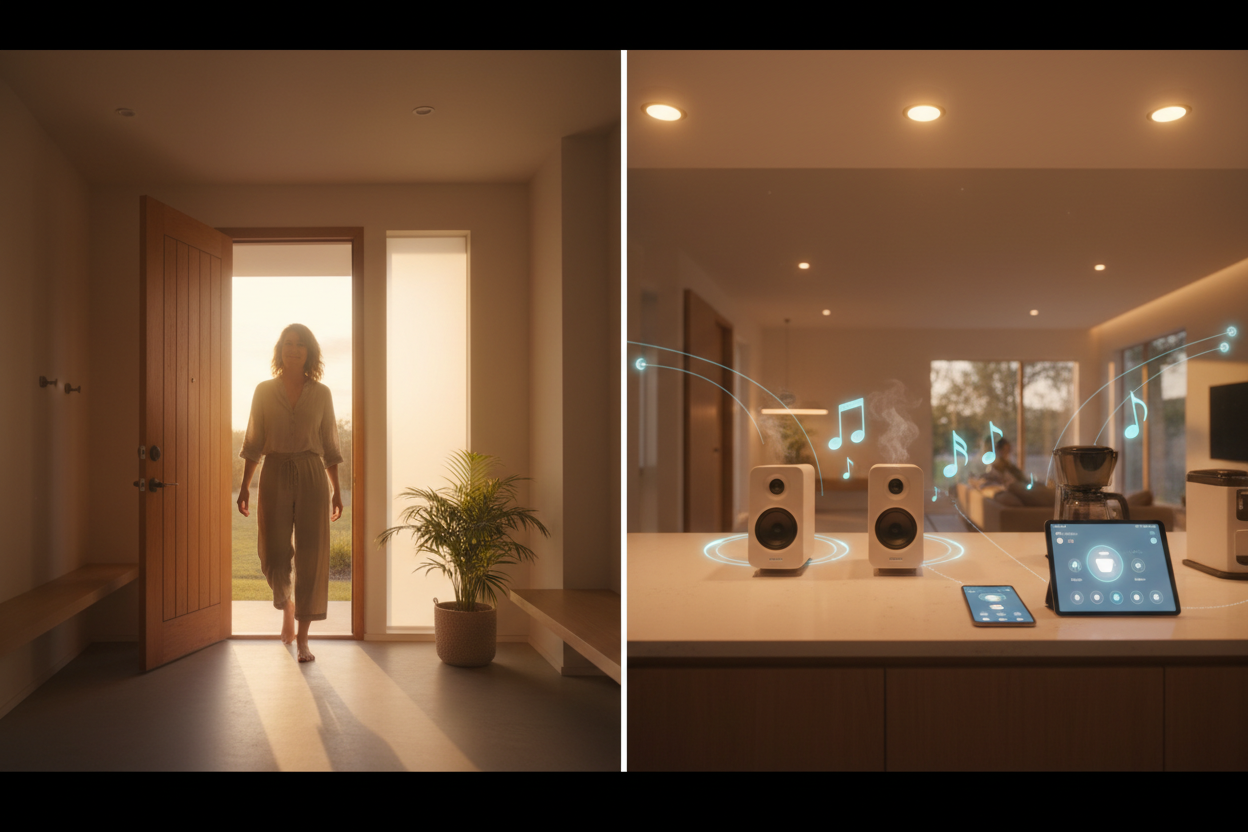
Picture this: you walk into your home, and the lights automatically adjust to your preferred brightness, your favorite playlist starts streaming through wireless speakers, and your coffee maker begins brewing your evening decaf—all without touching a single switch. This isn’t science fiction anymore; it’s the reality of today’s home automation industry, and it’s expanding faster than ever.

The global smart home market is projected to reach $537 billion by 2030, creating an unprecedented demand for quality content that educates, informs, and guides consumers through their smart home journey. Whether you’re a seasoned content creator looking to pivot into this lucrative niche or a tech enthusiast wanting to monetize your passion, writing for the home automation industry offers incredible opportunities.
But here’s the thing—writing about smart home technology isn’t just about listing features and specifications. It’s about translating complex technical concepts into relatable, actionable content that helps real people solve real problems. In this comprehensive guide, I’ll share everything you need to know to become a successful writer in the booming home automation space.
Understanding Your Home Automation Audience 🎯
Before you write a single word about smart thermostats or voice assistants, you need to understand who you’re writing for. The home automation audience is more diverse than you might think, spanning multiple demographics and technical skill levels.
Your primary audience includes tech enthusiasts who love being early adopters of cutting-edge gadgets. These readers typically have disposable income and enjoy the process of researching and implementing new technologies. They’re looking for in-depth reviews, comparison guides, and advanced setup tutorials.
However, there’s an equally important segment: the mainstream consumer who’s curious about smart home technology but feels overwhelmed by the technical jargon. These readers need content that demystifies smart home concepts and shows practical benefits in everyday language. They’re asking questions like “Will this actually make my life easier?” and “Is it worth the investment?”
Don’t forget about the DIY enthusiasts who want to understand how things work and prefer hands-on installation guides. They appreciate detailed step-by-step instructions, troubleshooting tips, and recommendations for tools and accessories.
Understanding these distinct audience segments will help you tailor your content appropriately, whether you’re writing beginner-friendly buying guides or advanced integration tutorials.
Essential Content Types for the Smart Home Market 📝
The home automation industry thrives on diverse content formats, each serving specific reader needs and search intents. Product reviews remain the cornerstone of smart home content, but they need to go beyond basic feature lists to provide real-world testing insights and long-term usage experiences.
Buying guides are incredibly valuable in this space because consumers often feel overwhelmed by the sheer number of options available. Your guides should address compatibility concerns, budget considerations, and specific use cases. For example, “Best Smart Locks for Apartment Renters” targets a specific audience with unique constraints.
How-to tutorials and setup guides are content gold mines. Many consumers purchase smart home devices but struggle with installation and configuration. Step-by-step guides with screenshots, video embeds, and troubleshooting sections can drive significant organic traffic and establish your expertise.
Comparison articles perform exceptionally well in search results. “Ring vs. Nest Doorbell” or “Alexa vs. Google Home vs. Apple HomeKit” help readers make informed decisions while capturing high-intent search traffic.
Don’t overlook educational content about smart home concepts, security considerations, and future trends. These pieces may not drive immediate sales but build authority and attract readers in the early research phases.
Writing Techniques That Convert Tech-Savvy Readers ✍️
Writing about home automation requires a delicate balance between technical accuracy and accessibility. Your goal is to sound knowledgeable without being intimidating, especially when explaining complex concepts like mesh networking or Z-Wave protocols.
Start with the benefits before diving into technical specifications. Instead of immediately listing a smart thermostat’s features, begin with how it can reduce energy bills and increase comfort. Then explain how specific features deliver these benefits.
Use analogies and real-world examples to make technical concepts relatable. Comparing a smart home hub to a conductor orchestrating an orchestra helps readers understand its role without getting lost in technical details.
Include personal experiences and anecdotes whenever possible. Sharing your own smart home setup, installation challenges, or unexpected discoveries adds authenticity and helps readers trust your recommendations. I’ve found that mentioning specific scenarios—like how my smart lights helped during a power outage—resonates strongly with readers.
Address common concerns proactively. Many consumers worry about privacy, security, and compatibility issues. Acknowledging these concerns and providing balanced perspectives builds credibility and helps overcome purchase hesitations.
SEO Strategies for Home Automation Content 🔍
The home automation industry offers abundant keyword opportunities, from high-volume generic terms to specific long-tail phrases that indicate strong purchase intent. Your keyword strategy should encompass various search intents and user journey stages.
Target informational keywords for educational content: “how does a smart doorbell work” or “what is home automation.” These terms attract readers in the awareness stage and help build topical authority.
Commercial keywords like “best smart speakers 2024” or “smart thermostat reviews” indicate comparison shopping behavior and often convert well with affiliate content.
Don’t neglect local SEO opportunities. Terms like “smart home installation [city name]” or “home automation companies near me” can be valuable if you serve local markets or partner with local installers.
Product-specific long-tail keywords often have lower competition and higher conversion rates. “Philips Hue vs LIFX color accuracy” targets readers comparing specific products and likely to purchase soon.
Optimize for voice search by including natural language questions in your content. Many smart home users are comfortable with voice assistants and may search using conversational queries like “which smart lock works with Alexa.”
Building Authority in the Smart Home Space 🏆
Establishing yourself as a trusted voice in home automation requires consistent, high-quality content and strategic relationship building. Start by choosing a specific niche within the broader smart home ecosystem—perhaps focusing on security systems, energy management, or DIY installations.
Stay current with industry developments by following manufacturer announcements, attending virtual trade shows, and joining smart home communities. The technology evolves rapidly, and outdated information can quickly damage your credibility.
Engage with your audience through comments, social media, and email newsletters. Answering reader questions and providing personalized recommendations builds loyalty and encourages repeat visits.
Consider creating original research content, such as surveys about smart home adoption trends or analysis of product pricing over time. Original data often attracts backlinks and media attention, boosting your domain authority.
Collaborate with manufacturers for early access to new products, but maintain editorial independence. Readers can sense when content is overly promotional, and authentic recommendations carry more weight than obvious sales pitches.
Common Pitfalls to Avoid When Writing About Smart Technology ⚠️
Even experienced writers can stumble when entering the home automation space. One major mistake is assuming all readers have the same technical background. Always define acronyms and explain technical concepts, even if they seem basic to you.
Avoid being overly promotional in product reviews. Readers seek honest assessments, including potential drawbacks and limitations. Mentioning that a smart switch requires a neutral wire or that a security camera has limited night vision range builds trust and sets realistic expectations.
Don’t ignore compatibility issues. Smart home devices often work within specific ecosystems, and recommending incompatible products frustrates readers and damages your credibility. Always mention compatibility requirements clearly.
Resist the urge to chase every trending keyword without considering user intent. A post about “smart home hacks” could attract readers looking for DIY tips or cybersecurity information—make sure your content matches the expected search intent.
Finally, avoid writing about products you haven’t personally tested or thoroughly researched. The smart home community values authentic experiences, and superficial reviews are easily spotted and dismissed.
Measuring Success in Home Automation Content Marketing 📊
Success in home automation content marketing extends beyond traditional metrics like page views and time on site. Track product-specific metrics such as affiliate click-through rates and conversion rates for different content types.
Monitor brand mention sentiment and engagement rates on social media platforms where smart home enthusiasts gather, such as Reddit’s home automation communities or specialized Facebook groups.
Pay attention to seasonal trends in your analytics. Smart home purchases often spike during holiday seasons and home improvement periods, and your content calendar should reflect these patterns.
Track which topics generate the most reader questions and comments, as these indicate high engagement and potential content expansion opportunities. A post about smart doorbell installation that generates numerous troubleshooting questions might warrant a detailed follow-up guide.
Use tools like Google Search Console to identify which featured snippets your content captures, as these often drive significant traffic in the smart home space where users frequently ask specific technical questions.
Conclusion: Your Future in Smart Home Content 🌟
The home automation industry represents one of the most exciting opportunities for content creators today. As smart home adoption accelerates and technology becomes more sophisticated, the demand for quality, accessible content will only grow.
Success in this space requires more than just writing ability—you need genuine curiosity about technology, empathy for users facing technical challenges, and the patience to explain complex concepts clearly. But for writers willing to invest the time to understand both the technology and their audience, the rewards can be substantial.
Remember that your role extends beyond simple product promotion. You’re helping people make their homes more comfortable, secure, and efficient. You’re demystifying technology that can genuinely improve lives. That’s a responsibility worth taking seriously and an opportunity worth pursuing.
Start small, focus on quality over quantity, and always prioritize your readers’ needs over short-term monetization goals. The home automation industry is expanding rapidly, but there’s always room for another knowledgeable, trustworthy voice to guide consumers through their smart home journey.
Frequently Asked Questions 🤔
How technical should my home automation content be? Your content’s technical depth should match your audience’s expertise level. For general consumers, focus on benefits and simple explanations. For enthusiasts, include more technical details but always explain their practical implications.
Do I need to own every product I write about? While hands-on experience is ideal, it’s not always feasible. You can write valuable content based on thorough research, manufacturer specifications, and user reviews, but always disclose when you haven’t personally tested a product.
Which smart home platforms should I focus on? Cover the major ecosystems (Amazon Alexa, Google Assistant, Apple HomeKit) as they represent the largest market share. However, don’t ignore emerging platforms or open-source solutions that appeal to tech enthusiasts.
How often should I update my home automation content? Smart home technology evolves rapidly. Update product reviews annually or when significant firmware updates occur. Buying guides should be refreshed seasonally to reflect new products and pricing changes.
What’s the best way to monetize home automation content? Affiliate marketing works well for product reviews and buying guides. Consider sponsored content partnerships with manufacturers, but always maintain editorial independence. Building an email list for product recommendations can also generate revenue.
How do I stay current with smart home trends? Follow industry publications, manufacturer blogs, and smart home communities on Reddit and Discord. Attend virtual trade shows and webinars. Set up Google Alerts for key manufacturers and product categories to catch breaking news.