
How to Use Feedback Loops to Improve Writing for Online Jobs 📝
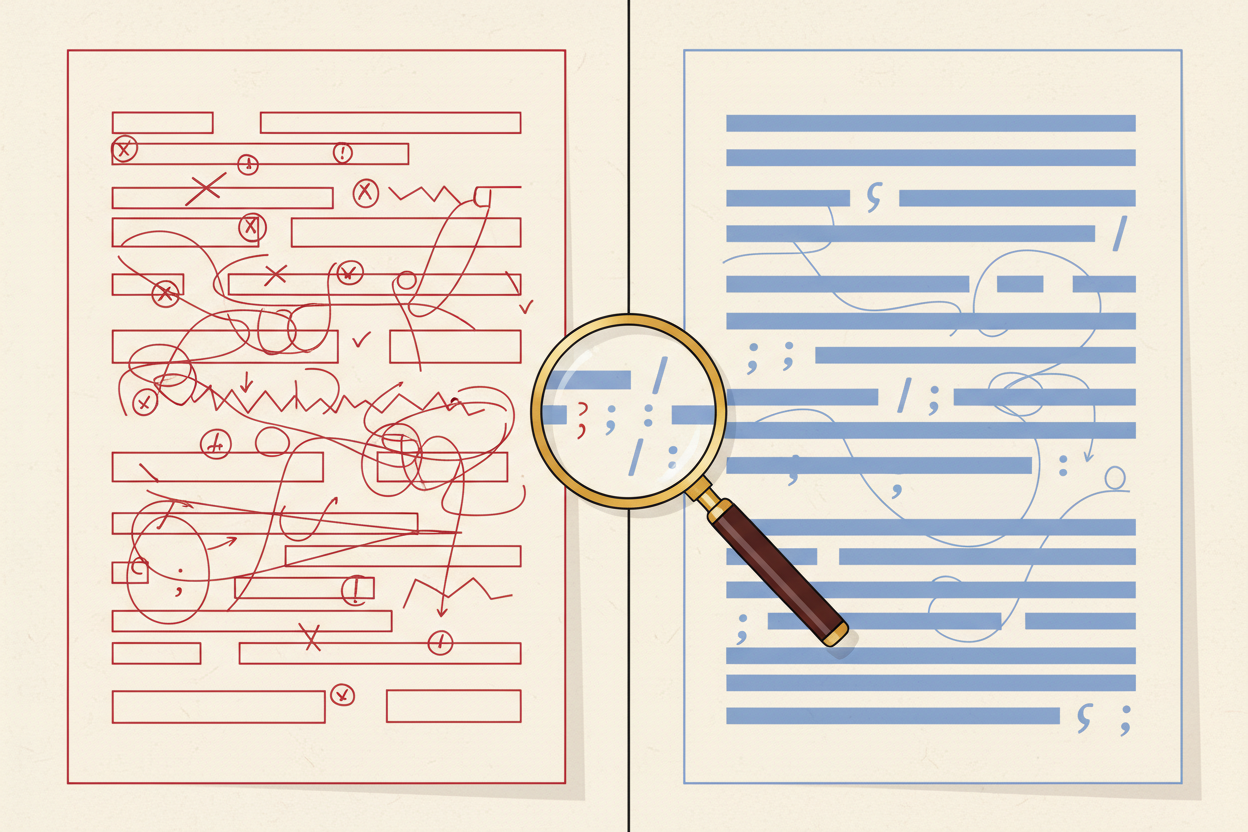
Picture this: you’ve just landed your first online writing gig, and you’re excited to showcase your skills. But after submitting your first piece, the feedback comes back with more red marks than a teacher’s worst nightmare. Sound familiar? Don’t worry – this is where feedback loops become your secret weapon for transforming your writing career from good to exceptional.
In the competitive world of online writing jobs, continuous improvement isn’t just nice to have – it’s essential for survival and success. Feedback loops are systematic processes that help you collect, analyze, and implement improvements based on responses to your work. Whether you’re freelancing for clients, writing for content agencies, or building your own online writing business, mastering feedback loops will set you apart from the crowd and boost your earning potential.

Table of Contents
• Understanding Feedback Loops in Online Writing
• Types of Feedback for Online Writers
• Creating Effective Feedback Collection Systems
• Analyzing and Processing Feedback Constructively
• Implementing Changes and Measuring Progress
• Building Long-term Feedback Relationships
• Common Feedback Loop Mistakes to Avoid
• Tools and Resources for Better Feedback Management
• FAQs
Understanding Feedback Loops in Online Writing 🔄
A feedback loop in writing is essentially a cycle where you create content, receive input about its effectiveness, make improvements, and then repeat the process. Think of it as your personal writing laboratory where every piece you create becomes an experiment that teaches you something valuable.
For online writers, feedback loops are particularly crucial because you’re often working remotely with clients you may never meet face-to-face. This distance can make communication challenging, but it also makes structured feedback processes even more important. The beauty of a well-designed feedback loop is that it transforms criticism from something potentially devastating into actionable intelligence that propels your career forward.
The most successful online writers I know treat feedback like gold. They actively seek it out, document it carefully, and use it to refine their craft continuously. This isn’t about being a perfectionist – it’s about being a professional who understands that writing is both an art and a skill that can always be improved.
Types of Feedback for Online Writers ✍️
Not all feedback is created equal, and understanding the different types can help you prioritize what to focus on first. Client feedback typically comes in several forms, each offering unique insights into your writing performance.
Editorial feedback focuses on the technical aspects of your writing – grammar, structure, flow, and adherence to style guides. This type of feedback is usually the most straightforward to implement because it deals with concrete, measurable elements. When a client points out that you’re inconsistent with comma usage or that your paragraphs are too long, you can make immediate adjustments.
Strategic feedback, on the other hand, addresses whether your writing achieves its intended goals. Does your blog post actually drive engagement? Is your product description compelling enough to increase conversions? This feedback requires you to think beyond just good writing and consider the business objectives behind each piece.
Performance metrics serve as a form of indirect feedback that’s incredibly valuable. Click-through rates, time spent on page, social shares, and conversion rates all tell a story about how well your writing resonates with its intended audience. Sometimes the numbers speak louder than words, revealing gaps between what clients think they want and what actually works.
Creating Effective Feedback Collection Systems 📊
The key to useful feedback is making it easy for clients to provide and structured enough for you to act upon. I’ve learned that most clients want to help their writers improve, but they often don’t know how to give constructive feedback unless you guide them.
Start by establishing clear feedback protocols from the beginning of any working relationship. Create a simple feedback form or template that asks specific questions about different aspects of your writing. Instead of asking “How was the article?” try questions like “Did the introduction grab your attention?” or “Was the call-to-action clear and compelling?”
Timing is everything when it comes to feedback collection. Set up regular check-ins with long-term clients, perhaps after every few pieces or monthly for ongoing projects. For one-off projects, request feedback within a specific timeframe while the work is still fresh in everyone’s mind.
Don’t forget about self-assessment as part of your feedback system. After completing each piece, take a few minutes to evaluate your own work. What felt challenging? Where did you feel most confident? This self-reflection often reveals patterns that external feedback might miss.
Analyzing and Processing Feedback Constructively 🧠
Receiving feedback is one thing; processing it constructively is entirely another. The first step is to separate your ego from the process. Remember that feedback about your writing isn’t feedback about you as a person – it’s information that can help you grow professionally.
When you receive feedback, resist the urge to respond immediately, especially if it stings a little. Take time to read through everything carefully, looking for patterns and themes. If multiple clients mention that your introductions are weak, that’s a clear signal about where to focus your improvement efforts.
Categorize feedback into actionable and non-actionable items. Actionable feedback gives you specific steps to improve, like “use more subheadings to break up long sections” or “include more data to support your arguments.” Non-actionable feedback might be subjective preferences that don’t necessarily indicate a problem with your writing quality.
Keep a feedback journal where you document recurring themes and track your progress over time. This practice helps you see improvement that might not be obvious day-to-day and identifies persistent challenges that need extra attention.
Implementing Changes and Measuring Progress 📈
The magic happens when you start implementing feedback systematically. Don’t try to fix everything at once – that’s a recipe for overwhelm and inconsistent results. Instead, pick one or two key areas to focus on for your next few projects.
Create specific action plans for implementing feedback. If clients consistently mention that your writing lacks personality, develop strategies like including more personal anecdotes, using conversational language, or adding humor where appropriate. Practice these techniques deliberately until they become natural parts of your writing process.
Measure your progress both qualitatively and quantitatively. Keep track of client satisfaction scores, repeat business rates, and any performance metrics available for your content. Also, document subjective improvements – are you writing faster? Do you feel more confident about certain types of projects?
Share your improvement efforts with clients when appropriate. Let them know you’ve been working on specific areas based on their feedback. This demonstrates professionalism and often leads to more detailed, helpful feedback in the future because clients see that you’re genuinely committed to improvement.
Building Long-term Feedback Relationships 🤝
The most valuable feedback comes from long-term working relationships where clients understand your growth journey and are invested in your success. These relationships don’t happen overnight, but you can nurture them by being responsive to feedback and showing genuine appreciation for the time clients spend helping you improve.
Regular communication is essential for maintaining these relationships. Send periodic updates about projects, share relevant industry insights, and ask thoughtful questions about upcoming work. This ongoing dialogue creates opportunities for organic feedback that goes beyond formal review processes.
Consider offering incentives for detailed feedback, such as small discounts on future projects or priority scheduling for clients who provide comprehensive reviews. This approach signals that you value their input and are willing to invest in the relationship.
Don’t limit yourself to client feedback. Build relationships with other writers, join professional communities, and seek mentorship opportunities. Peer feedback often provides insights that clients might miss, especially regarding industry trends and best practices.
Common Feedback Loop Mistakes to Avoid ⚠️
Even with the best intentions, it’s easy to fall into feedback traps that limit your growth. One of the biggest mistakes is being too passive about collecting feedback. Waiting for clients to volunteer their thoughts rarely yields the detailed insights you need for meaningful improvement.
Another common error is taking all feedback as gospel without considering the source or context. Not every piece of feedback deserves equal weight – consider the expertise of the person providing it and whether their suggestions align with your target audience’s needs.
Avoid the perfectionist trap of trying to implement every piece of feedback immediately. This approach often leads to inconsistent writing as you constantly shift your style and approach. Instead, focus on systematic improvement in specific areas over time.
Don’t forget to follow up on feedback implementation. Many writers make changes but never circle back to see if those changes achieved the desired results. This follow-up is crucial for understanding which improvements actually work and which might need further refinement.
Tools and Resources for Better Feedback Management 🛠️
Technology can significantly streamline your feedback collection and analysis processes. Simple tools like Google Forms or Typeform make it easy to create standardized feedback surveys that clients can complete quickly. These platforms also automatically organize responses, making pattern recognition much easier.
Project management tools like Trello, Asana, or Monday.com can help you track feedback implementation across multiple projects and clients. Create boards or workflows that move feedback through stages: received, analyzed, implemented, and verified.
For content that includes performance metrics, tools like Google Analytics, social media insights, and email marketing platforms provide quantitative feedback that complements qualitative client input. Learn to read these metrics as feedback about your writing’s effectiveness.
Consider investing in writing analysis tools like Grammarly Premium, Hemingway Editor, or ProWritingAid. While these don’t replace human feedback, they can help you identify technical issues before submitting work, allowing client feedback to focus on higher-level strategic concerns.
Conclusion 🎯
Mastering feedback loops isn’t just about becoming a better writer – it’s about building a sustainable, profitable career in online writing. The writers who thrive in this competitive field are those who view feedback as a competitive advantage rather than a necessary evil.
Remember that implementing effective feedback loops is a skill in itself, one that improves with practice. Start small, be consistent, and focus on building systems that work for your specific situation and client base. The investment you make in creating robust feedback processes today will pay dividends throughout your writing career.
As you continue developing your feedback loop skills, stay curious and open to new approaches. The online writing landscape is constantly evolving, and the feedback mechanisms that work today might need adjustment tomorrow. By maintaining a growth mindset and treating feedback as valuable market research, you’ll position yourself for long-term success in the dynamic world of online writing jobs.
Frequently Asked Questions 🤔
How often should I ask for feedback from clients?
For ongoing projects, request feedback monthly or after every 3-5 pieces. For one-time projects, ask for feedback within 48-72 hours of delivery while the work is still fresh in the client’s mind.
What should I do if a client gives vague or unhelpful feedback?
Follow up with specific questions to clarify their concerns. Ask for examples of what they liked or disliked, and request concrete suggestions for improvement. Most clients appreciate writers who seek clarity.
How do I handle negative feedback without taking it personally?
Remember that feedback is about your work, not your worth as a person. Take time to process emotional reactions before responding, focus on actionable elements, and view criticism as free consulting that helps you grow professionally.
Should I implement every piece of feedback I receive?
No. Evaluate feedback based on the source’s expertise, consistency with other feedback, and alignment with your target audience’s needs. Focus on patterns and recurring themes rather than isolated comments.
How can I encourage clients to provide more detailed feedback?
Create specific feedback forms with targeted questions, offer small incentives for comprehensive reviews, and demonstrate that you act on their suggestions. Show appreciation for their time and input.
What metrics should I track to measure my writing improvement?
Track both qualitative measures (client satisfaction, repeat business rates) and quantitative metrics (engagement rates, conversion rates, time-to-completion). Also monitor your own confidence levels and writing speed improvements.